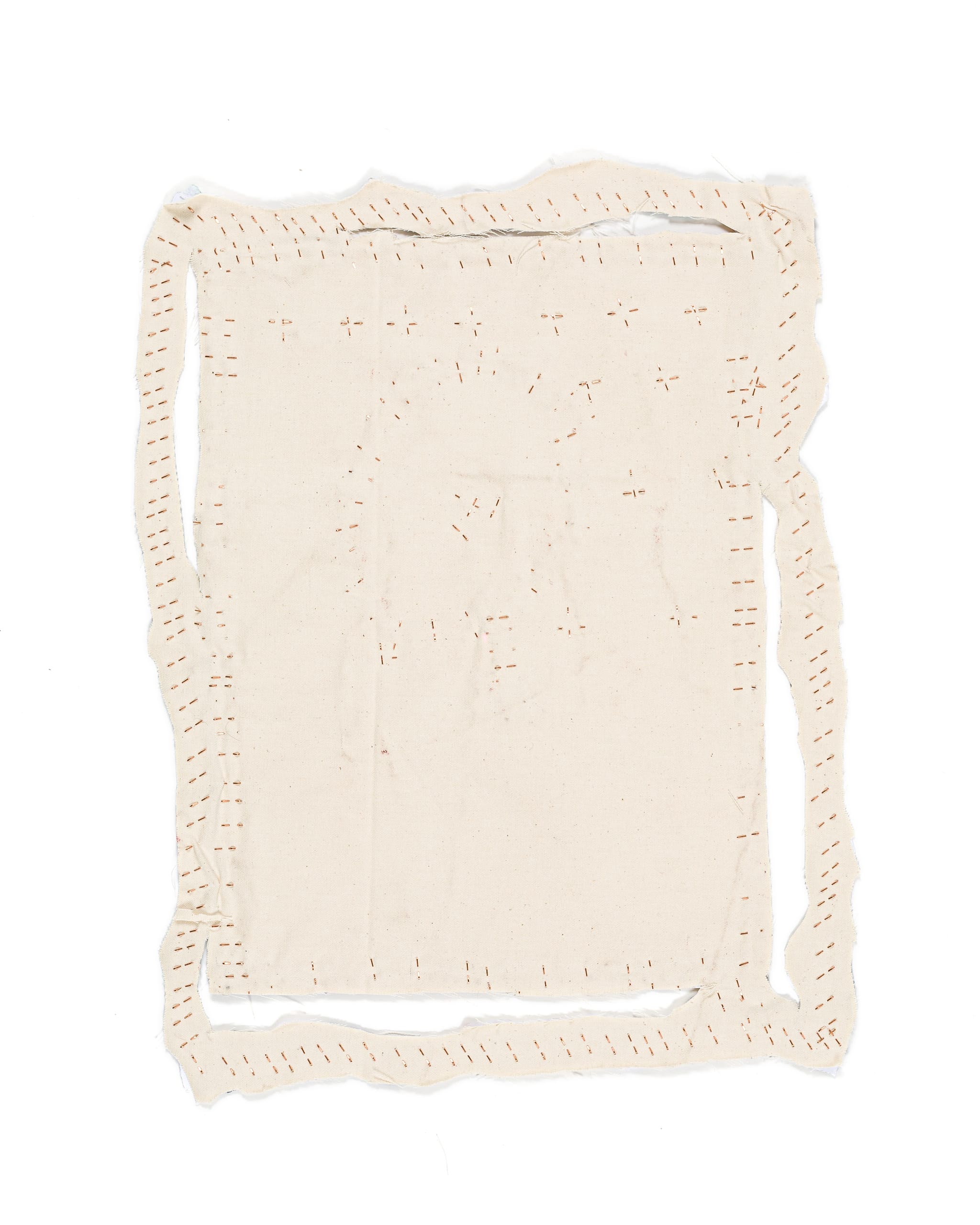
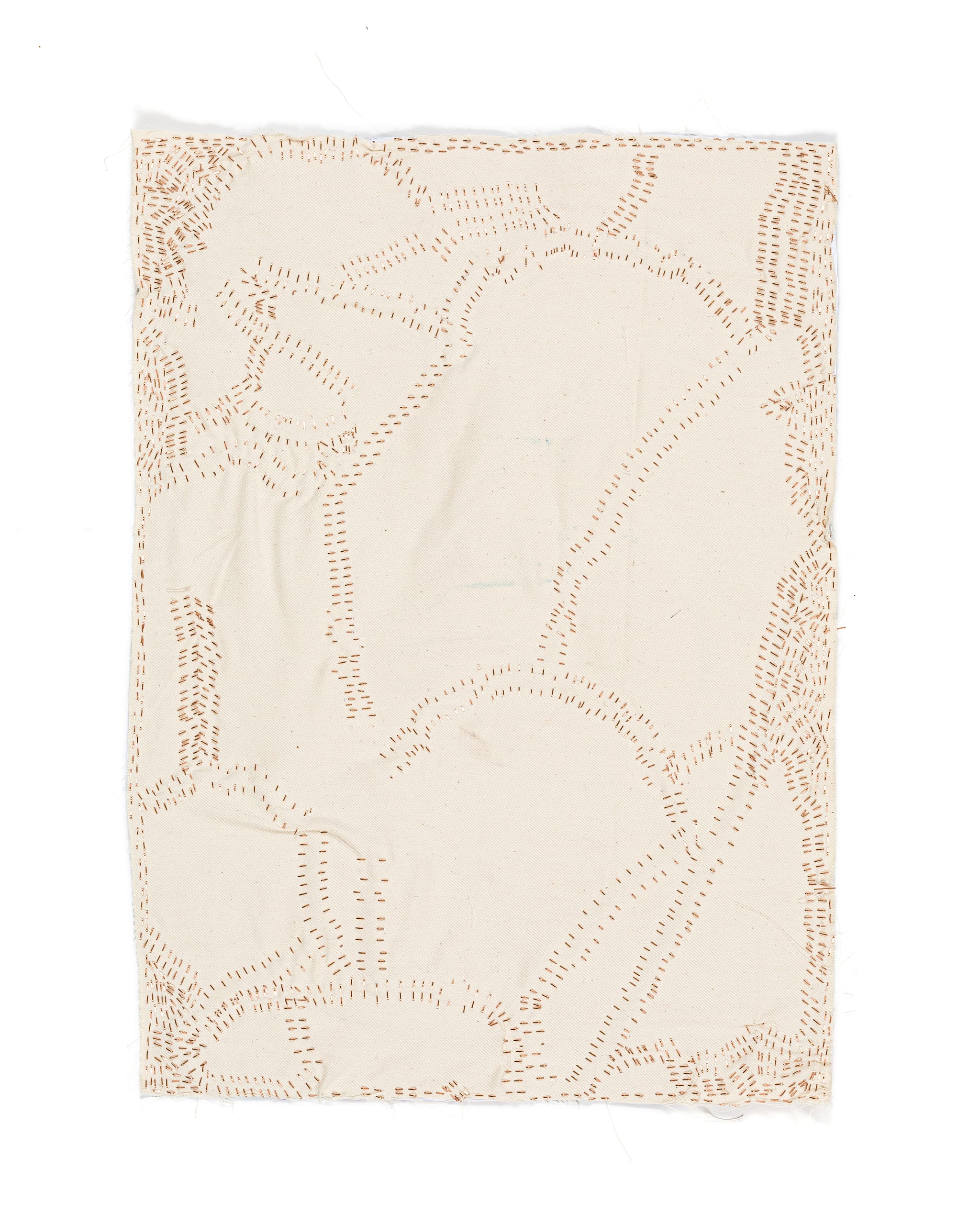
shed 14 (dead vegetable), 60x45cm, 2025 | shed 14 (dead vegetable), backside | shed 15 (rumpelstilskin), 60x45cm, 2025 | shed 15 (rumpelstilskin), backside | shed 16 (thrower), 60x45cm, 2025 | shed 16 (thrower), backside | shed 17 (verwandlung), 60x45cm, 2025 | shed 17 (verwandlung), backside | shed 18 (slídil), 60x45cm, 2025 | shed 18 (slídil), backside | shed 19 (plague), 60x45cm, 2025 | shed 19 (plague), backside | shed 20 (breit), 60x45cm, 2025 | shed 20 (breit), backside | shed 21 (donna), 60x45cm, 2025 | shed 21 (donna), backside | shed 22 (völlerei), 60x45cm, 2025 | shed 22 (völlerei), backside | shed 23 (staged), 60x45cm, 2025 | shed 23 (staged), backside

Works:

Sheds (2/2)

Collage,

Concept,

Painting,

Textile,

Installation,

|

60x45cm

|

paper stapled on canvas

|

Sheds extends the material and conceptual process developed in Skin. Each work is composed exclusively of fragments taken from 1:1 printed reproductions of two earlier paintings, Red Moon and Just Flip a Coin. Their imagery is torn apart, displaced, and stapled onto linen, transforming existing works into new visual narratives. (Sheds 1/2)

Presented in double-glass frames, the works remain visible from both sides. The front usually reveals a mysterious figure or fragmented sequence, while the reverse exposes the construction itself: folds, tensions, and office staples holding the image together. With its exposed fastenings and restrained textile structure, the backside can evoke the aesthetics of a straitjacket - suggesting fixation, restriction, and containment.

A tactile ambivalence runs throughout the works: cold, smooth paper meets warm, soft textile and hard, sharp metal. Rather than reproducing the past, Sheds dismantles and recycles it. Destruction becomes a constructive act, reflecting processes of psychological healing and self-reinvention. What has been torn apart is not restored to its former state, but reorganized - with its wounds and traces remaining visible - as the material for something new.

Sheds (2/2)

Works:

Collage,

Collage,

Concept,

Concept,

Painting,

Painting,

Textile,

Textile,

Installation,

Installation,

|

60x45cm

60x45cm

|

|

paper stapled on canvas

paper stapled on canvas

|

|