Happening:
Via Artis
to
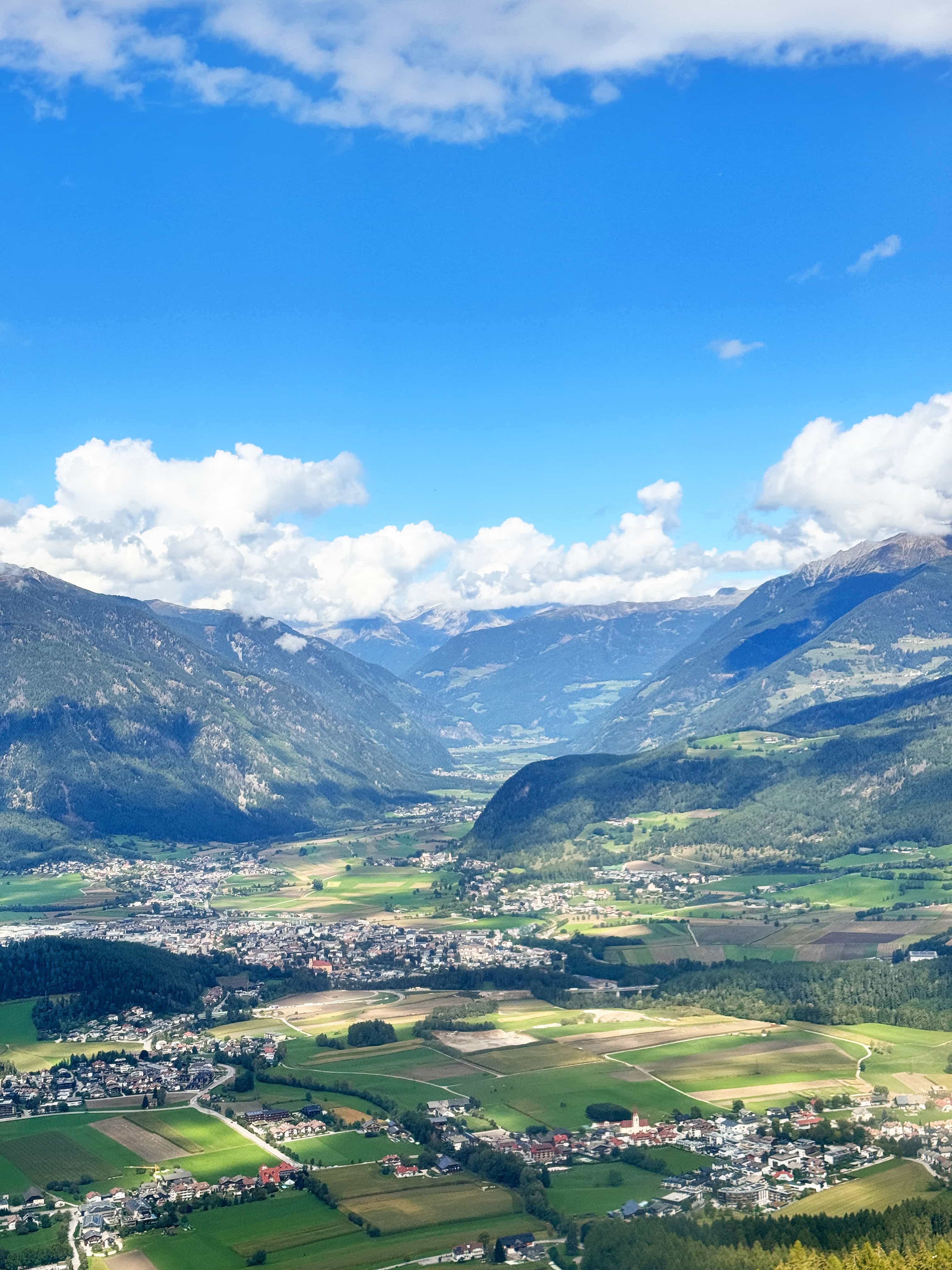
Located at 2,275 metres on the summit of Plan de Corones in South Tyrol, Via Artis is the world’s highest open-air art gallery. The 7.2-kilometre circular trail brings contemporary art into direct dialogue with the Alpine landscape, while addressing the history and cultural transformation of the mountain.
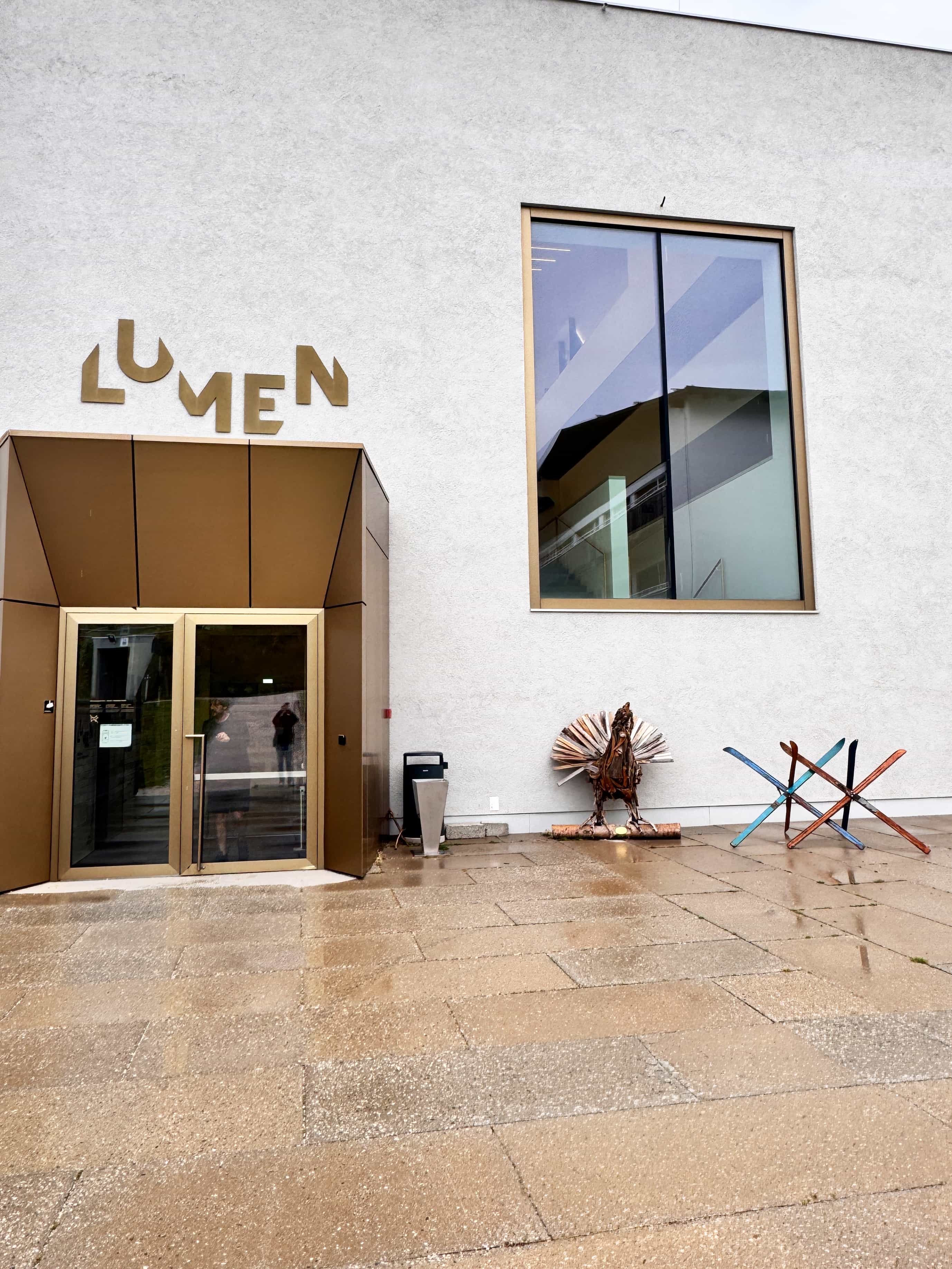
As part of Via Artis, the artist collective Brenner–Havelka–Plessl installed the Goliath-sculptures, consisting of fifteen sculptural bodies made from discarded skis; thirteen positioned in the landscape and two installed inside the LUMEN Museum of Mountain Photography at the summit. Once designed for speed and movement, the skis are transformed into static structures anchored in their surroundings.
Their forms recall anti-tank barriers, historical structures associated with controlling, dividing, and defending territory. In Goliath, however, this function is reversed: the objects block nothing. Instead, they mark, rhythmise, and redirect the perception of the landscape.
The installation reflects on human intervention in the Alps and on landscape as a carrier of cultural memory. Goliath suggests that every intervention leaves traces and approaches boundaries not simply as forms of separation, but as points from which our relationship to landscape, history, and one another can be reconsidered.

Project:






to
Located at 2,275 metres on the summit of Plan de Corones in South Tyrol, Via Artis is the world’s highest open-air art gallery. The 7.2-kilometre circular trail brings contemporary art into direct dialogue with the Alpine landscape, while addressing the history and cultural transformation of the mountain.
As part of Via Artis, the artist collective Brenner–Havelka–Plessl installed the Goliath-sculptures, consisting of fifteen sculptural bodies made from discarded skis; thirteen positioned in the landscape and two installed inside the LUMEN Museum of Mountain Photography at the summit. Once designed for speed and movement, the skis are transformed into static structures anchored in their surroundings.
Their forms recall anti-tank barriers, historical structures associated with controlling, dividing, and defending territory. In Goliath, however, this function is reversed: the objects block nothing. Instead, they mark, rhythmise, and redirect the perception of the landscape.
The installation reflects on human intervention in the Alps and on landscape as a carrier of cultural memory. Goliath suggests that every intervention leaves traces and approaches boundaries not simply as forms of separation, but as points from which our relationship to landscape, history, and one another can be reconsidered.
Project:
Exhibited Works: